Space science
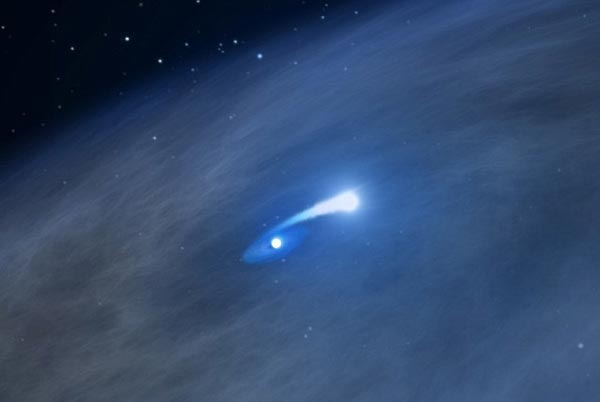
Discover strange binary star systems in the universe
Astronomers have discovered a strange double star system in our Milky Way, in which a star is
Browse ScienceInfo articles and explainers related to Hubble Space Telescope.
62 published items.
Astronomers have discovered a strange double star system in our Milky Way, in which a star is
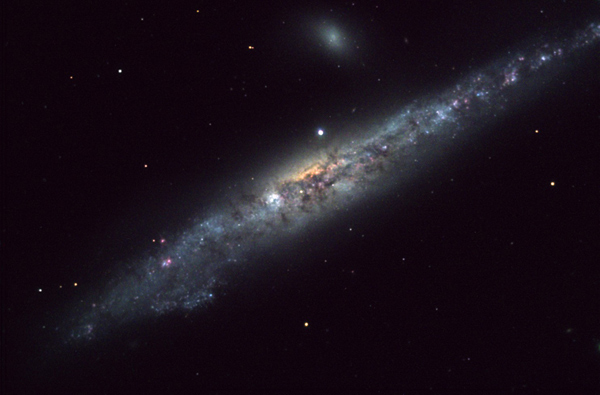
For more than half of a decade scientists have struggled to find out why the number of stars is less than what they expected.
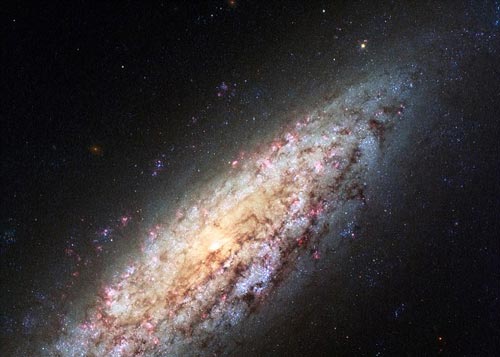
Astronomers have recorded impressive images of a galaxy now considered the most lonely universe, floating at the edge of a space abyss.
NASA has just released a series of impressive new images of the Monkey Head Nebula, a star-forming cradle about 6,400 light-years from Earth.
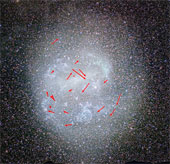
American astronomers used the Hubble space telescope to see for the first time the speed of rotation of a galaxy.
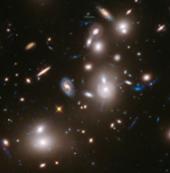
The European Space Agency and NASA have introduced the first images of galaxies 13.2 billion years ago, captured by Hubble Space Telescope and Spitzer.
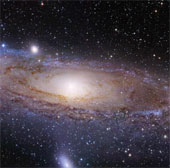
Spiral galaxies like our Milky Way are in fact larger than expected, according to a new study by Colorado Boulder University based on data collected from the Hubble Spac…
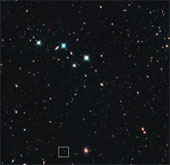
Space Agency's US Hubble Space Telescope (NASA) has captured the most distant star image in the universe so far, especially when the star exploded 10 billion years ago.
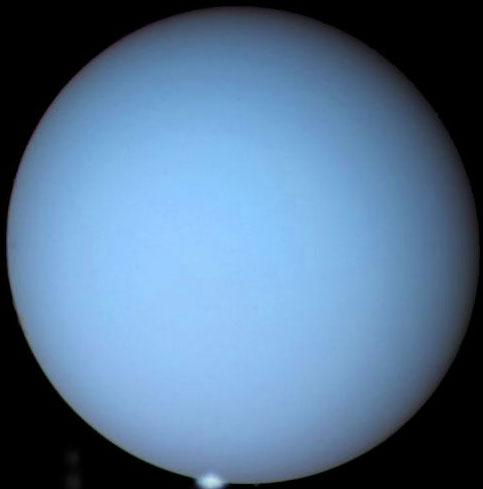
For the first time, astronomers captured the aurora image that appeared on Uranus. According to Dailymail, the images taken by the Hubble Space Telescope show that surro…

On April 25, 1990, the $ 2.5 billion Hubble space telescope went into operation after being launched from the Discovery spacecraft and into orbit Earth's 600km. This is…
Every day Hubble flies around the Earth for 15 rounds and sends about 5-10GB of data. On the Hubble Space Telescope official website, you can find beautiful and inspirin…
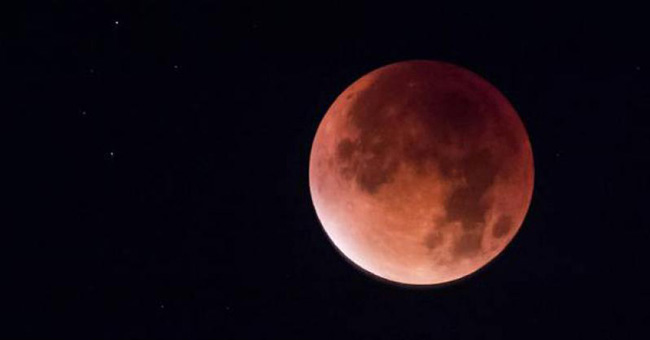
Unique moments of the fanciful universe under the lens of amateur photographers or Hubble space telescope.
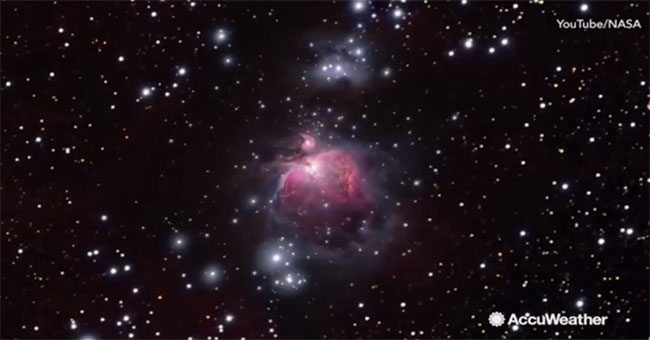
NASA combines images from Spitzer and Hubble space telescopes to discover the Orion nebula about 1,500 light-years from Earth.
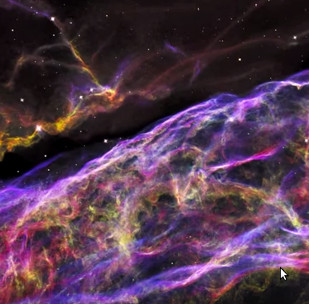
The Hubble Space Telescope of the US Aeronautics Agency (NASA) photographed the debris of a giant star that exploded 8,000 years ago.
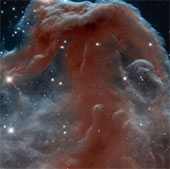
The Hubble Space Telescope has captured the beautiful image of a vein, celebrating the 23rd birthday of this particular glass.